Ledger Cold Wallet vs Hot Wallet: Complete Comparison Guide

Ledger Cold Wallet vs Hot Wallet comparison reveals fundamental differences in security architecture that determine how effectively each approach protects cryptocurrency assets from theft. Hot wallets store private keys on internet-connected devices where malware, phishing attacks, and remote exploits can potentially access them. Cold wallets like Ledger isolate keys inside certified secure elements that never connect to networks, eliminating entire categories of attacks that continuously threaten online storage solutions.
Ledger Cold Wallet vs Online Wallet evaluation extends beyond simple convenience comparisons to examine the actual attack surfaces and historical vulnerability patterns of each approach. Hot wallets have enabled billions of dollars in cryptocurrency losses through software vulnerabilities, exchange hacks, and user device compromises. Cold storage solutions including Ledger, Trezor, and KeepKey dramatically reduce these risks by eliminating the network connectivity that most attacks require. This page provides comprehensive comparison analysis to help users understand the security tradeoffs between different wallet categories.
Comparing Ledger Cold Wallet with Hot Wallets
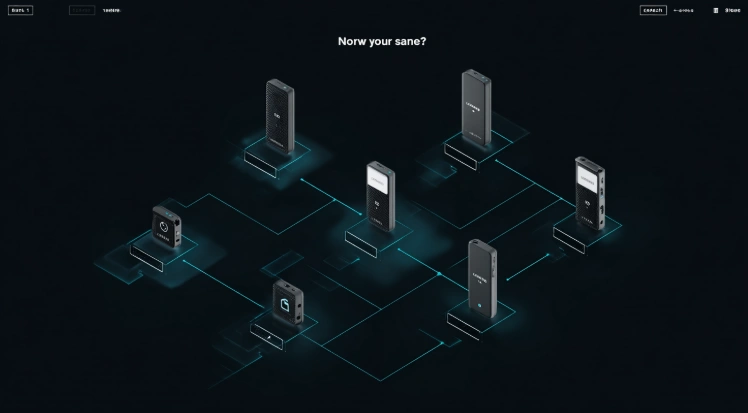
Ledger cold wallet vs hot wallet security differences stem from fundamentally different approaches to private key management. Hot wallets encrypt keys and store them on user devices or exchange servers, requiring decryption for transaction signing. During this decryption window, keys exist in device memory where sophisticated malware can potentially extract them. Hardware wallets like Ledger eliminate this vulnerability by performing all cryptographic operations inside protected chips that never expose key material.
The comparison extends to the attack surfaces each approach presents. Hot wallets inherit all vulnerabilities of the operating systems, browsers, and applications they run alongside. A single compromised browser extension, malicious download, or operating system vulnerability can potentially access private keys. Hardware wallets present minimal attack surface through dedicated firmware focused exclusively on security functions.
Why Hot Wallets Are More Vulnerable
Hot wallet security risks that cold storage addresses:
| Risk Category | Hot Wallet Exposure | Ledger Protection |
|---|---|---|
| Malware extraction | Keys accessible in memory | Keys isolated in secure element |
| Keylogger capture | Passwords captured at entry | PIN entered on device only |
| Screen scraping | Phrase visible during setup | Phrase shown on hardware only |
| Clipboard hijacking | Addresses can be modified | Hardware screen verification |
| Remote access | Full wallet access possible | Physical confirmation required |
| Exchange hacks | Custodial keys at risk | Self-custody eliminates risk |
| Browser exploits | Web wallet credentials exposed | No browser dependency |
Each risk category has enabled documented cryptocurrency losses from hot wallet users. The hardware wallet architecture addresses these risks through isolation that software alone cannot replicate.
When a Cold Wallet Is the Better Choice
When to use cold wallet for cryptocurrency storage:
- Holdings exceed amounts comfortable losing to potential attacks
- Long-term investment strategy without frequent trading needs
- Significant portfolio value justifying hardware investment
- Security priority exceeds convenience requirements
- DeFi participation requiring secure transaction signing
- NFT collections with substantial value
- Privacy-focused users preferring self-custody control
- Institutional requirements demanding auditable security
Cold wallets provide optimal protection for holdings intended for extended storage. The $79–$279 device cost becomes negligible compared to protected asset values.
Security Architecture Differences

Ledger cold wallet vs hot wallet architecture comparison reveals why hardware protection provides fundamentally different security properties. The differences extend beyond implementation details to architectural principles that determine what attacks remain possible against each approach.
Understanding these architectural differences helps users appreciate both the protection hardware wallets provide and the specific practices required to maintain security. Cold storage creates the foundation; user behavior determines whether that foundation provides effective protection.
Key Storage and Protection Methods
Ledger cold wallet vs online wallet key management approaches:
- Hot wallet: Encrypted keys stored on user device filesystem. Cold wallet: Keys generated and stored in certified secure element.
- Hot wallet: Keys decrypt into device memory for signing. Cold wallet: Signing occurs inside chip, keys never exposed.
- Hot wallet: Software encryption depends on password strength. Cold wallet: Hardware encryption with physical tamper resistance.
- Hot wallet: Vulnerable to device theft if unlocked. Cold wallet: PIN lockout with device wipe after failed attempts.
The fundamental difference lies in where keys exist during operations. Hot wallets necessarily expose keys in device memory; cold wallets maintain complete isolation throughout all operations.
Use Case Recommendations

Ledger cold wallet vs hot wallet selection depends on individual circumstances including holdings value, transaction frequency, technical comfort, and risk tolerance. Neither approach universally suits all users; the optimal choice reflects personal requirements and priorities.
Hot wallets provide maximum convenience for small amounts and frequent transactions. Cold wallets provide maximum security for significant holdings and long-term storage. Many users combine both approaches, maintaining small hot wallet balances for regular spending while securing primary holdings in cold storage.
Balancing Convenience and Security
| User Profile | Recommended Approach | Reasoning |
|---|---|---|
| Long-term investor | Cold wallet primary | Maximum security for buy-and-hold |
| Active trader | Exchange + cold backup | Trading requires hot access |
| DeFi user | Cold wallet with USB-C/Bluetooth | Security with protocol access |
| Casual user | Hot wallet for small amounts | Convenience at lower risk |
| High-value holder | Multiple cold wallets | Redundancy and distribution |
| Beginner | Cold wallet after learning | Security from start |
Most users with significant holdings benefit from cold wallet security for their primary storage while potentially maintaining small hot wallet balances for convenience.
Related guides
Ledger Cold Wallet Security Risks Ledger Cold Wallet Trust Ledger Cold Wallet Security SummaryFrequently Asked Questions
- Yes. Hardware wallets isolate private keys inside secure elements inaccessible to malware and remote attacks. Hot wallets store keys on vulnerable devices where numerous attack vectors can potentially access them.
- Yes. Many users maintain small balances in hot wallets for convenience while securing primary holdings in cold wallets. This approach balances security with practical usability.
- Convenience and cost. Hot wallets are free and immediately accessible. Cold wallets require purchase and physical device interaction. For small amounts, convenience may outweigh security benefits.
- Malware key extraction, keylogger capture, screen scraping, clipboard hijacking, and most remote access attacks require keys to exist on the compromised device. Cold wallets keep keys in isolated chips.
- All major hardware wallets dramatically exceed hot wallet security. Ledger uses certified secure elements while Trezor uses general-purpose microcontrollers. KeepKey has a similar approach to Trezor. All protect significantly better than hot alternatives.
- Cold wallets from the beginning prevent developing risky habits. However, the learning curve is slightly steeper. Beginners should understand wallet concepts before accumulating significant holdings regardless of wallet type.
- Any amount the user would be upset to lose justifies cold protection. At $79 for a Nano S Plus, the cost becomes negligible compared to holdings value quite quickly.