Ledger Cold Wallet Trust: Reliability and Reputation Analysis
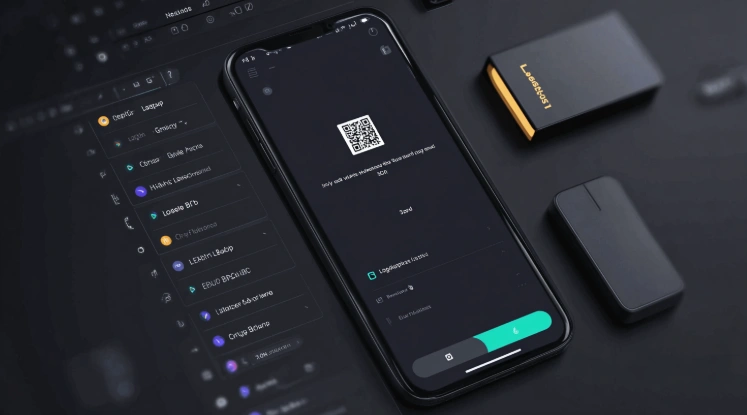
Ledger Cold Wallet Trust has developed over a decade of operation protecting cryptocurrency assets for millions of users worldwide. The company's hardware wallets secure an estimated $30+ billion in cryptocurrency, making Ledger one of the most widely trusted brands in the cryptocurrency security industry. Trust derives from consistent security performance, transparent practices, and continuous improvement in response to evolving threats.
Ledger Cold Wallet Reliability extends beyond marketing claims to demonstrated performance through years of real-world usage. No successful private key extraction from Ledger secure elements has been publicly documented despite significant incentives for attackers and security researchers. The architecture has withstood scrutiny from independent auditors, academic researchers, and the broader security community. Unlike competitors like Trezor with different architectural approaches or KeepKey with smaller market presence, Ledger's certified secure element approach provides independently verified protection. This page examines the factors establishing Ledger as a trusted solution for cryptocurrency cold storage.
Why Ledger Cold Wallet Is Trusted for Storage
Ledger cold wallet trust reflects the combination of proven technology, transparent practices, and consistent performance that users require before entrusting significant assets to any platform. Trust in cryptocurrency security cannot be demanded; it must be earned through demonstrated reliability and open engagement with the security community.
The trust foundation includes certified hardware components, open-source firmware enabling independent verification, active bug bounty programs incentivizing responsible disclosure, and transparent communication about security incidents. These practices create accountability that centralized or opaque solutions cannot match.
Reliability for Long-Term Crypto Holders
Ledger cold wallet reliability factors for extended holding periods:
- Certified secure elements with documented security properties
- Firmware updates addressing newly discovered vulnerabilities
- BIP-39 standard phrases enabling recovery on alternative wallets
- Company stability with 10+ years of operation
- Large user base providing ongoing security validation
- Active development continuing feature and security improvements
- Independent security audits verifying implementation quality
- Support for over 5,500 supported coins ensuring portfolio coverage
- USB-C and Bluetooth connectivity maintaining device relevance
Long-term storage requires confidence that protection will remain effective over years or decades. Ledger's established track record and ongoing development provide reasonable assurance for extended holding periods.
Security Track Record
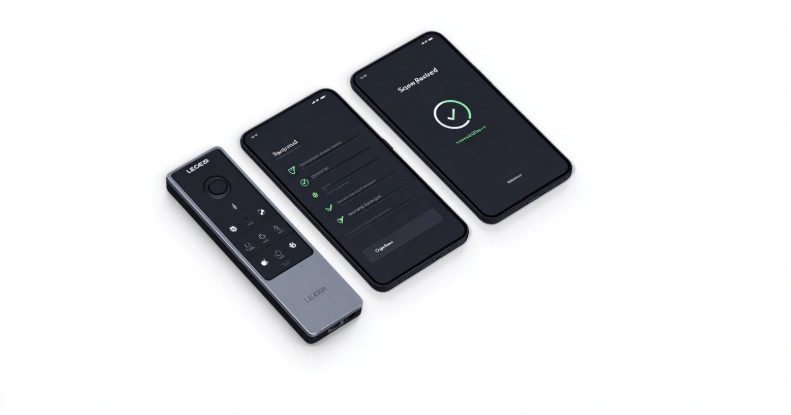
Ledger cold wallet trust supported by security history demonstrates sustained protection despite continuous attack attempts. The secure element architecture has proven resilient against both remote and physical attack categories. Historical incidents provide data for evaluating actual versus claimed security performance.
Security track record provides evidence beyond theoretical claims. Years of operation protecting significant assets while facing continuous attack attempts validates the security architecture in ways laboratory testing cannot replicate.
Historical Performance Analysis
| Year | Event | Impact | Response |
|---|---|---|---|
| 2014 | Ledger founded in Paris | Company established | Initial product development |
| 2016 | Nano S launched | Secure element architecture | Market adoption began |
| 2019 | Nano X with Bluetooth | Wireless connectivity added | Expanded use cases |
| 2020 | Customer database breach | Personal info exposed | Enhanced security measures |
| 2021 | Supply chain security enhanced | Genuine check improved | Counterfeit protection |
| 2022 | Stax premium device | Touchscreen interface | Product line expansion |
| 2023-2024 | Continued development | Ongoing updates | Security improvements |
The 2020 database breach affected customer personal information but did not compromise wallet security or private keys. This incident demonstrated separation between business systems and cryptographic protection while highlighting areas for improvement in data handling.
Company Background and Transparency
Ledger cold wallet trust benefits from company practices promoting accountability and verification. Ledger was founded in 2014 in Paris, France, and has grown to become the leading hardware wallet manufacturer with offices worldwide. The company employs hundreds of people including dedicated security researchers focused on continuous improvement.
Transparency practices include publishing security research, engaging with the security community, operating bug bounty programs, and providing detailed technical documentation. These practices enable independent verification rather than requiring blind trust.
Certifications and Audits
Ledger cold wallet reliability verification through certifications. Security validation sources:
- CC EAL5+ certification for secure element chips
- ANSSI certification from French cybersecurity agency
- Independent security audits by specialized firms
- Bug bounty program with responsible disclosure
- Open-source firmware enabling code review
- Published security research and documentation
- Active engagement with security researcher community
- Transparent incident response and communication
Multiple independent validation sources provide assurance beyond manufacturer claims. Users need not rely solely on Ledger's assertions when independent parties verify security properties.
Related guides
Ledger Cold Wallet vs Hot Wallet Ledger Cold Wallet Security Risks Ledger Cold Wallet Security SummaryFrequently Asked Questions
- The breach affected customer data, not wallet security. Private keys remained protected in secure elements. The incident demonstrated separation between business systems and cryptographic security. Evaluate based on architectural security rather than the unrelated database incident.
- Ledger was founded in 2014 and has operated continuously for over a decade. The company has grown from a startup to the market-leading hardware wallet manufacturer.
- Assets remain accessible through the recovery phrase. Any BIP-39 compatible wallet can restore access using the 24-word phrase. You are not dependent on Ledger's continued operation.
- Both are reputable hardware wallet manufacturers with years of operation. Ledger uses certified secure elements; Trezor uses general-purpose microcontrollers. Both dramatically exceed software wallet security with different architectural approaches.
- The genuine check process during setup verifies device authenticity against manufacturing records. Successful genuine check confirms secure element integrity.
- No. Private keys exist only inside your hardware device. Ledger never has access to keys, recovery phrases, or the ability to move your cryptocurrency.
- You trust the hardware and cryptographic architecture, not the company's goodwill. Open-source components and independent audits verify security claims. Recovery phrase standards ensure independence from any single organization.